Deep down, you already know: pausing to mend is medicine, a small rebellion against the go-go-go. The calm, the focus, the spark, the head-to-toe magic. It’s real. Science has proven that acts of playful creativity improve overall wellbeing. (Besides, it's fun! We could all use some fun.)
Mending is a joyful ritual of care for every part of you.
For Your Head
Play is a healthy act of defiance.
In a world constantly vying for your attention, dare to slow down and incorporate mending as a mindfulness practice. Creative play has been scientifically proven to reduce cortisol levels (pesky stress hormones), while boosting dopamine and serotonin levels released in the brain.
For Your Eyes
Let mending tell the story.
Every stain and rip contains a moment of life: How a late night karaoke with friends became a red wine stain on your favorite dress. Or when your skateboard shredding debut shredded your jeans instead. Repair gives you the joy of reliving these memories again and again.
For Your Hands
Reconnect to our humanity.
The art of mending dates back thousands of years, when resourcefulness meant survival. While society shifts more towards the artificial, remaining tactile—in touch with the physical world, the people, elements and objects who inhabit it—has never been more pertinent.
For Your Home
Giving back is so en vogue.
Going the extra mile to give your clothes a second life doesn’t just benefit you and your wellbeing, but it serves as an act of environmental kindness, too. And, hey, you didn’t hear it from us, but your one-of-a-kind closet is a pretty stellar perk.
The Science of Slowing Down
Curious what happens to your beautiful brain and body-ody when you mend and work with your hands? So were we. See what our research uncovered below.

Find Your Flow State
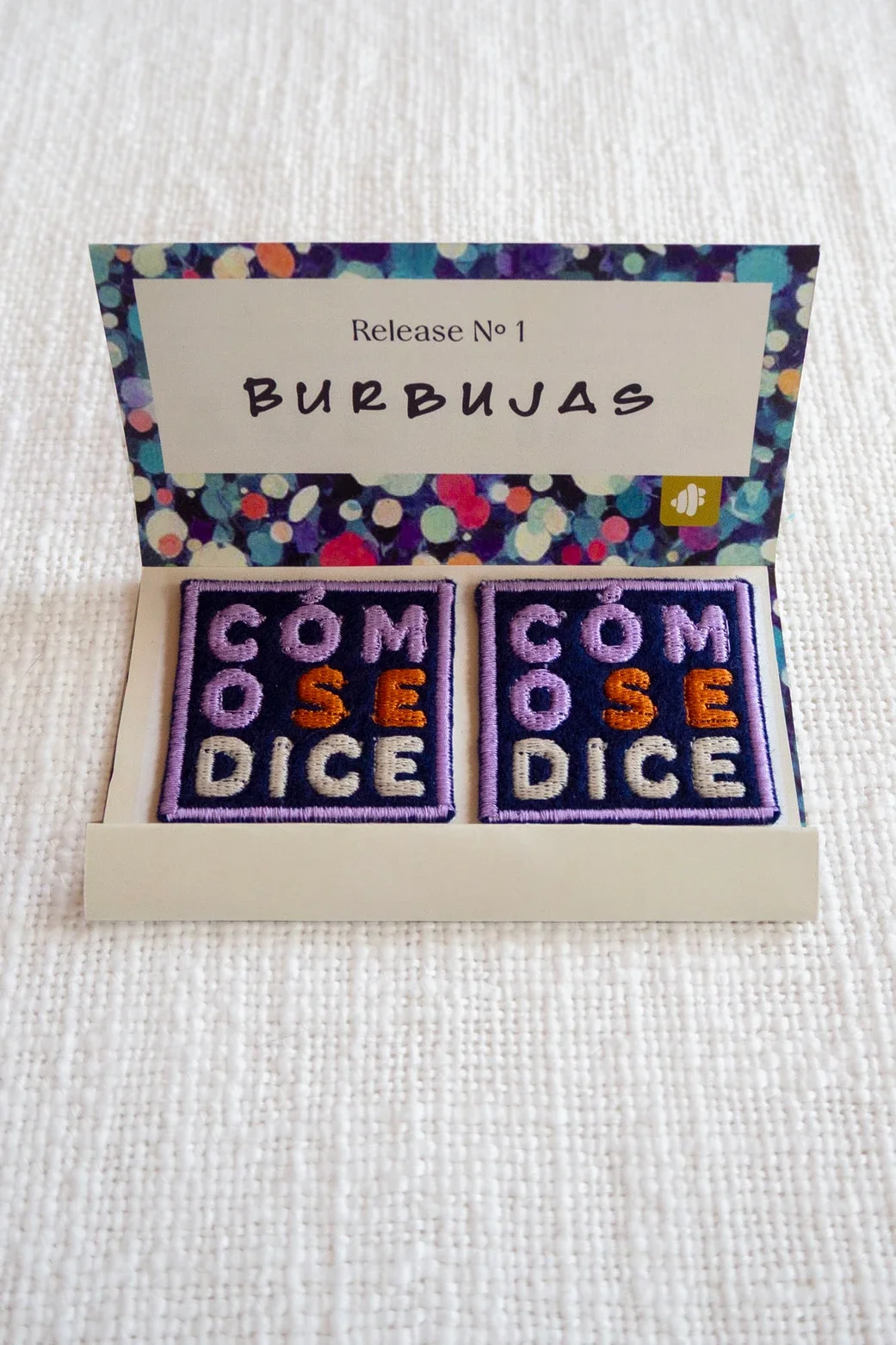
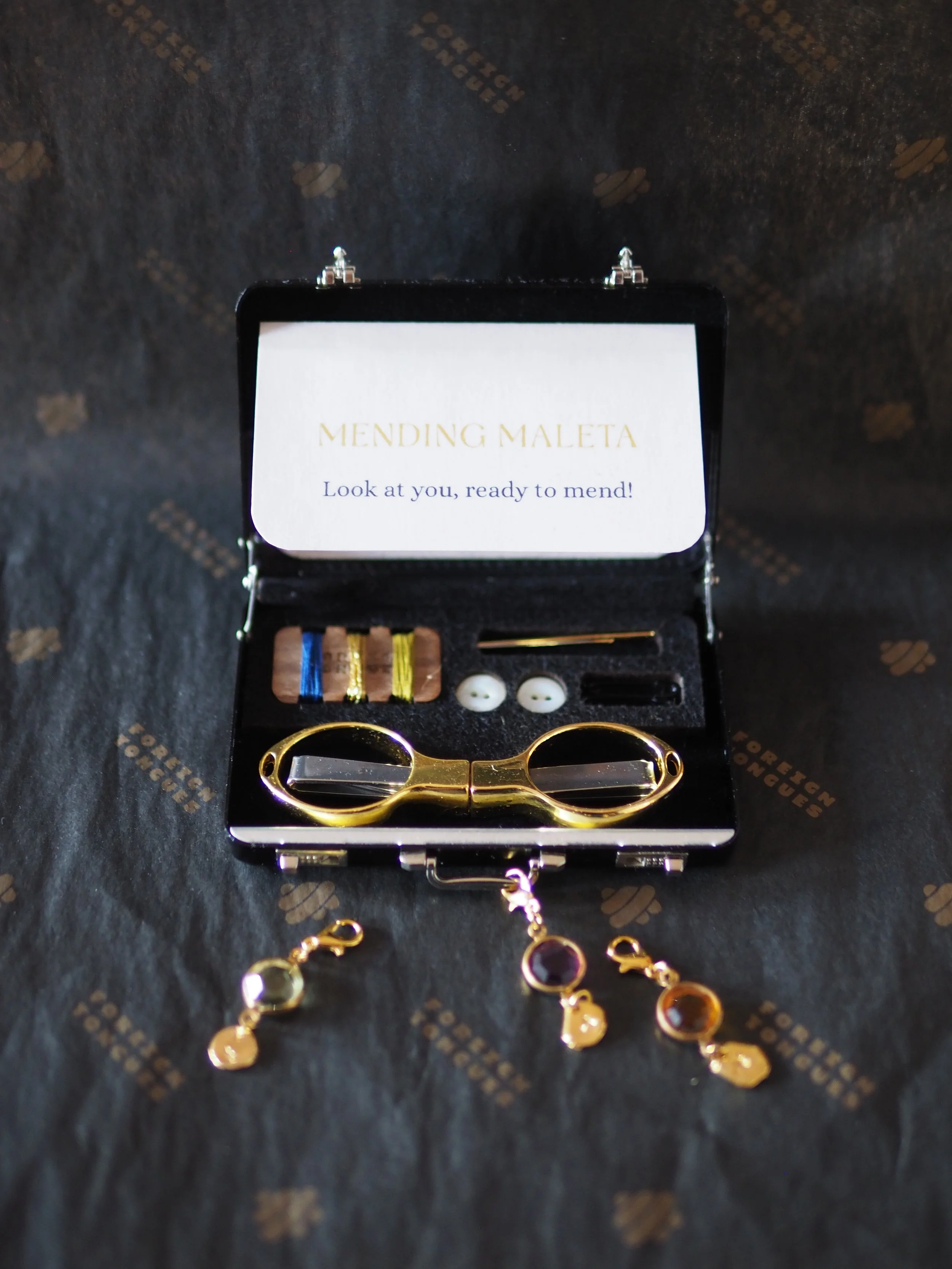
We're on a mission to make mending seen–delivering to you curated pieces, tools, and pro-tips to ignite your latent mending super powers. Check back often for our latest! We’re designing more goodness as we speak.

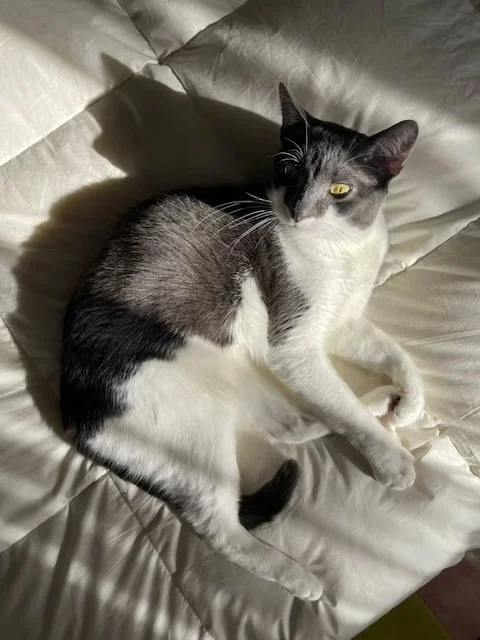
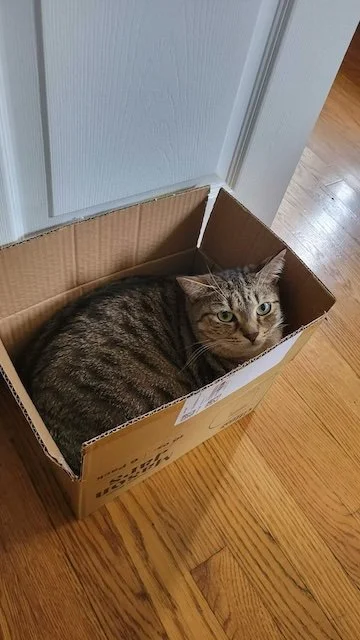
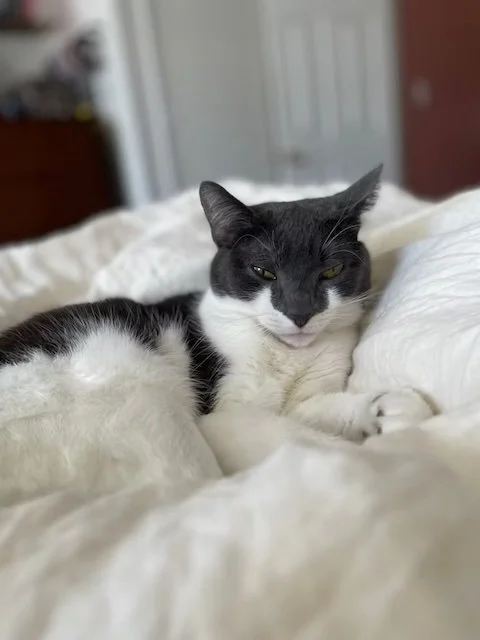
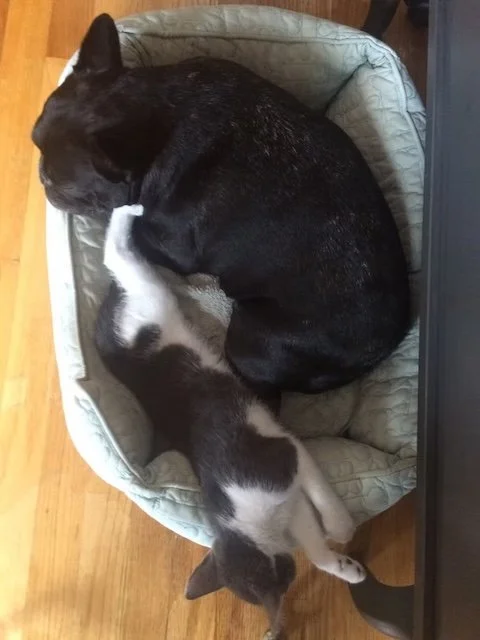
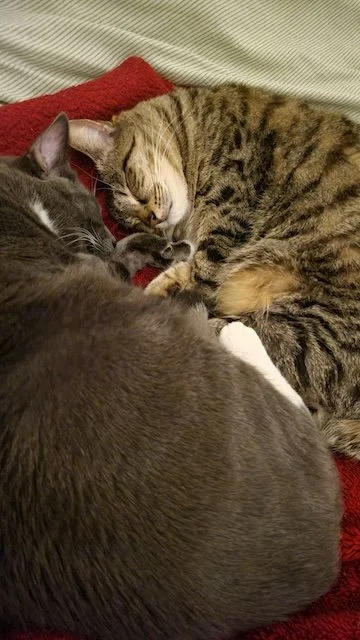
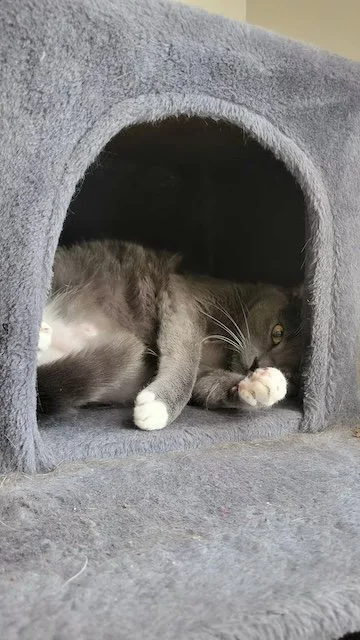
Stay tuned for conversations with our favorite curious people that are doing things a little bit off-kilter. For now, did you know that our little team is 1:1 humans to cats at the moment? Introducing Chimichanga, Pico, Zuzu, and Primrose! (Plus a special cameo from The Goose, who was vaguely cat-shaped but was very much a dog named after a bird–and perhaps the most curious of them all!)